The Lemon Pound Cake Case: Afroman's Satire, Privacy, and the Power of the Police
Rapper Afroman, best known for his 2000 hit "Because I Got High," has found himself once again at the epicenter of a national conversation, this time involving law enforcement, free speech, and the digital age. The high-profile civil trial unfolding in Adams County, Ohio, centers around his viral track "Lemon Pound Cake" and its accompanying music video. This unusual lawsuit, pitting a Grammy-nominated artist against members of the Adams County Sheriff's Office, has become a significant test of artistic expression versus privacy rights, particularly when government officials are the subject of creative commentary.
The case has garnered widespread attention, illuminating the complex intersection where police accountability meets internet culture and the ever-present debate over satire. With courtroom moments that have captivated audiences, including emotional testimony from a deputy, the Lemon Pound Cake case is more than just a legal battle; it's a cultural flashpoint exploring who controls the narrative in an increasingly filmed world.
The Raid That Sparked a Satirical Firestorm
The genesis of this legal drama dates back to an August 2022 search of Joseph Foreman's (Afroman's real name) home in Winchester, Ohio. Deputies from the Adams County Sheriff’s Office executed a warrant based on suspicions related to narcotics and alleged kidnapping activity. What ensued, however, became the unlikely foundation for Afroman’s most recent viral sensation. Despite the serious nature of the allegations, multiple reports confirm that the extensive search yielded no criminal evidence, and crucially, no charges were ever filed against Foreman. This outcome profoundly shaped Afroman’s response.
Frustrated by what he described as property damage and a profound disruption to his life, Foreman turned to his art. Leveraging footage captured by his own home security cameras during the raid, he transformed the invasive experience into a series of satirical musical projects. This artistic pivot became his defense, his commentary, and ultimately, the catalyst for the current lawsuit. It's a striking example of a private citizen using their own means to document and respond to a government action, turning a personal grievance into a public statement through the powerful medium of music and viral video.
"Lemon Pound Cake": From Home Video to Viral Anthem
Afroman's "Lemon Pound Cake" isn't just a song; it's a cultural phenomenon and the central piece of evidence in this ongoing trial. The music video, released in December 2022, ingeniously stitches together footage from his home surveillance system, offering viewers an unfiltered, albeit satirized, look at the police raid. The track, along with others like "Will You Help Me Repair My Door," uses humor and sarcasm to mock the officers and highlight the perceived futility and damage of the operation. With over 3 million views, the video demonstrates the immense power of digital platforms to disseminate personal narratives and critiques.
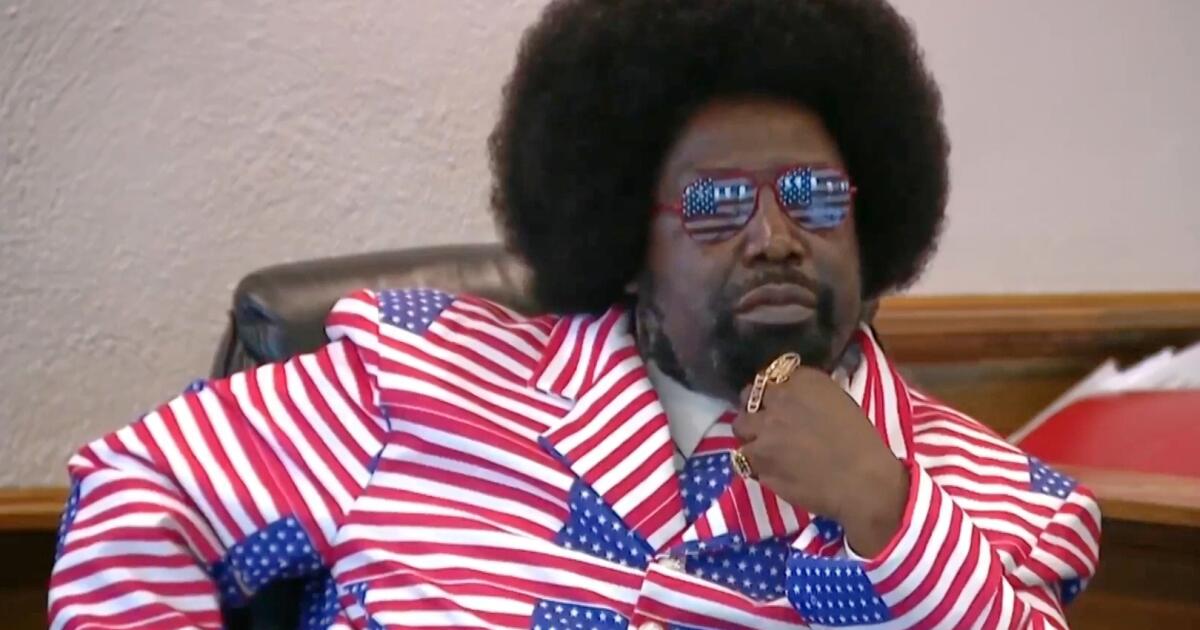
Taking the stand in his own defense, Afroman directly attributed the legal battle to the sheriff's office, arguing that the raid itself created the material for his music. His legal position is clear: using footage from his own cameras to comment on a government action is protected expression under the First Amendment. This stance positions the case as one of the most significant free speech disputes involving a musician in recent memory, examining the boundaries of artistic license when critiquing public officials and government actions. Afroman has previously navigated and won legal challenges related to his satirical work, setting a precedent that free speech often prevails against specific claims of defamation related to artistic expression. For more on his prior victory, consider reading Afroman Wins Lawsuit: Free Speech Prevails Against Ohio Deputies.
The Deputies' Grievances: Defamation, Distress, and Public Scrutiny
On the other side of the courtroom are the plaintiffs: four deputies, two sergeants, and one detective from the Adams County Sheriff's Office. They allege that Afroman used their likenesses without permission in his music videos, social media posts, and merchandise, causing significant harm. Their claims range from defamation and invasion of privacy to humiliation, ridicule, emotional distress, and reputational damage. The officers also report receiving threats and harassment after the footage and related posts went viral online, underscoring the real-world consequences of internet fame and infamy.
One of the most striking and widely reported moments of the trial involved Deputy Lisa Phillips, who reportedly broke down in tears while portions of Afroman’s satirical content were played in court. This emotional testimony highlights the profound personal toll such public scrutiny can exact on law enforcement officials, bringing the human element to the forefront of this complex legal debate. The emotional testimony from Deputy Phillips brings into sharp focus the personal impact of Afroman's viral content, raising critical questions about the balance between an individual's right to satire and the privacy and emotional well-being of those depicted. For a deeper dive into this moment, see Deputy Lisa Phillips' Tears: Afroman's Viral Raid Video Lawsuit. The case has become a critical test of how far public officials can challenge artistic satire when they are filmed performing official duties, especially in an era where police interactions are increasingly captured and shared.
Navigating the Intersection: Free Speech vs. Privacy
The Lemon Pound Cake case is a microcosm of larger societal debates. At its core lies the tension between the First Amendment's robust protections for free speech and an individual's right to privacy, especially when those individuals are public servants. This case forces us to consider several critical questions:
- The Scope of Satire: Where is the line between protected artistic satire and actionable defamation or invasion of privacy? Does the fact that the subjects are public officials, acting under warrant, change this line?
- Digital Age Transparency: With ubiquitous cameras – from police body cams to home security systems and smartphones – how do we balance transparency in government action with the privacy concerns of individual officers? Citizens increasingly assert their right to film police, but this case explores the flip side: what happens when police actions are filmed by the citizen themselves and then monetized and satirized?
- The Impact of Virality: The internet amplifies content to an unprecedented degree. How much responsibility do artists bear for the secondary effects (like harassment) that viral content might generate? And how do courts weigh this against the fundamental right to express one's experience and critique authority?
Legal experts and civil liberties advocates are closely watching, recognizing that the outcome could set significant precedents for artists, citizens, and law enforcement agencies alike in how they navigate public actions, personal expression, and digital dissemination.
Conclusion
The Lemon Pound Cake case, featuring the compelling arguments of Joseph Foreman (Afroman) and the emotional testimony of figures like Deputy Lisa Phillips, transcends a typical legal dispute. It has become a vital arena for examining fundamental rights and responsibilities in the digital age. As the trial continues, it will undoubtedly shape our understanding of where the boundaries lie for artistic satire, police accountability, and personal privacy in a world where every interaction can become content. Whatever the final verdict, this case has already contributed immensely to the ongoing dialogue about free speech, the power of viral media, and the delicate balance between expressing grievances and respecting personal dignity, ensuring its place as a landmark moment in contemporary legal and cultural history.