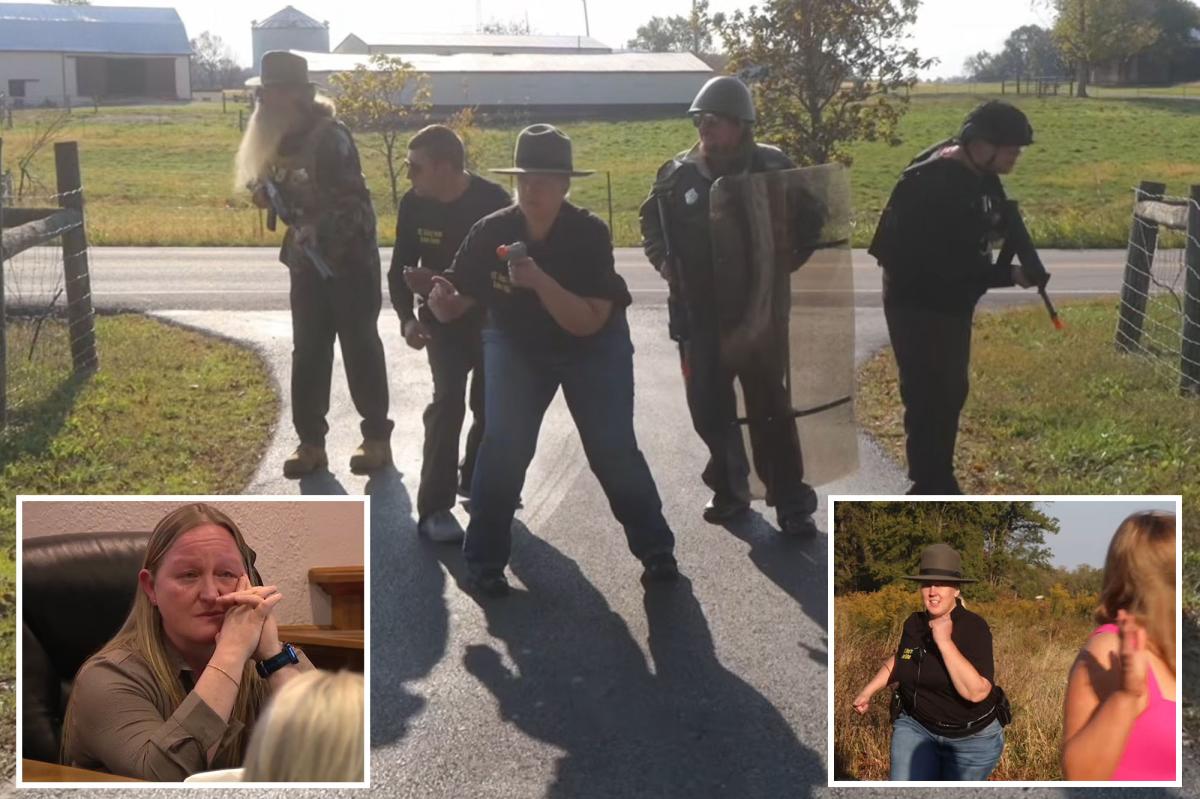
The civil courtroom in Adams County, Ohio, recently became the stage for a dramatic showdown that captivated national attention, pitting a rapper against local law enforcement. At the heart of this high-profile legal battle was the contentious intersection of artistic free speech, police accountability, and the pervasive nature of viral internet culture. A pivotal, deeply emotional moment unfolded when Deputy Lisa Phillips, one of the officers involved in the lawsuit against musician Afroman, reportedly broke down in tears during trial proceedings. This incident, brought on by the playing of Afroman’s satirical content, underscored the intense personal stakes involved and brought the human element of a complex legal dispute into sharp focus, further solidifying the phrase Lisa Phillips Afroman into the public discourse.
The Emotional Flashpoint: Deputy Lisa Phillips' Testimony
The trial saw Joseph Foreman, better known as Afroman, defend his creative expression against claims of defamation and emotional distress. However, it was the testimony of Deputy Lisa Phillips that left a lasting impression on many observers. As portions of Afroman's satirical music videos, featuring footage from the 2022 raid on his home, were played in court, reports indicated that Deputy Phillips became visibly distressed, ultimately breaking down in tears. This powerful emotional display highlighted the significant impact the viral content had, or was perceived to have had, on the deputies involved. For the plaintiffs, this moment served as a tangible representation of the "humiliation, ridicule, and emotional distress" they alleged Afroman's work caused.
While the legal system aims for objectivity, human emotion inevitably plays a role in how a case is perceived, both within the courtroom and by the wider public. Deputy Phillips' tears brought a raw, personal dimension to the otherwise formal proceedings, inviting empathy for the officers caught in the whirlwind of Afroman's viral fame. It underscored the challenge of balancing public officials' duties, which are often subject to scrutiny, with their individual rights to privacy and protection from harassment, especially when their images become the subject of popular culture.
From Home Raid to Viral Sensation: Afroman's Creative Response
The saga began in August 2022 when members of the Adams County Sheriff’s Office executed a warrant at Afroman’s Winchester, Ohio, residence. The deputies were reportedly investigating suspicions related to narcotics and alleged kidnapping activity. Crucially, and central to Afroman's subsequent defense, the extensive search yielded no criminal evidence, and no charges were ever filed against him. This outcome provided the foundation for Afroman's unique and highly public response.
Utilizing footage captured by his own home security cameras during the raid, Afroman transformed the incident into a satirical creative project. He released "Lemon Pound Cake," a track accompanied by a music video that ingeniously interwove the surveillance footage with his comedic commentary, mocking the officers and the unsuccessful operation. This initial video quickly garnered millions of views, propelling the incident into the national spotlight. Afroman continued to leverage his experience, releasing additional songs and posts, such as "Will You Help Me Repair My Door," often employing humor and sarcasm to highlight the property damage he claimed occurred during the raid and the disruption to his life. This artistic retaliation ignited a furious debate about the boundaries of satire, the rights of citizens to document government actions, and the unexpected consequences for law enforcement when their official duties are thrust into the viral limelight. You can read more about the intricacies of these themes in the Lemon Pound Cake Case: Afroman's Satire, Privacy, and Police Power.
The Core Legal Battle: Free Speech vs. Personal Harm
The lawsuit brought by seven members of the Adams County Sheriff’s Office—four deputies, two sergeants, and one detective—accused Afroman of using their likenesses without permission in his music videos, social media posts, and merchandise. They claimed that this unauthorized use led to defamation, invasion of privacy, humiliation, ridicule, emotional distress, and significant reputational harm. Furthermore, the officers reported receiving threats and harassment after the footage went viral, exacerbating their claims of personal suffering.
Afroman, whose real name is Joseph Foreman, staunchly defended his actions, framing his creative work as protected expression. Taking the stand, Foreman asserted that the raid was a real event that occurred within his home, causing property damage and disrupting his life. Therefore, using footage from his own cameras to comment on a government action was, in his view, a legitimate exercise of his First Amendment rights. His legal team argued that the case was a critical test of how far public officials can go in challenging artistic satire when they are filmed performing official duties, especially when those duties result in no charges or findings of wrongdoing against the citizen.
This legal challenge became a litmus test for the evolving relationship between citizen journalism, artistic commentary, and police accountability in the digital age. It questioned whether public officials, performing their duties, forfeit certain privacy expectations when their actions become the subject of public scrutiny and creative interpretation.
The Verdict and Its Broader Implications
In a significant victory for Afroman and proponents of free speech, the rapper ultimately won the lawsuit. This outcome sent a powerful message regarding the limits of public officials' ability to sue over artistic and satirical content that comments on their official actions, particularly when those actions are documented by the citizen involved and result in no criminal charges. The decision reinforced the idea that documenting and commenting on government activities, even satirically, can fall under protected expression, especially when the footage is captured on one's own property.
The Afroman victory carries substantial implications for both artists and law enforcement. For creators, it may embolden those who wish to use their experiences, including interactions with authorities, as material for their art, providing a degree of legal protection for satire and commentary. For law enforcement, the case serves as a reminder of the heightened scrutiny they face in the digital era and the potential for their actions to become subjects of viral content. It highlights the importance of transparency and adherence to protocols, as any incident can be captured and shared globally within moments.
This case also offers practical insights for citizens: understanding your rights to film in public or on your own property when interacting with law enforcement is crucial. While Afroman's situation involved private property surveillance, the broader principle of documenting interactions can be a vital tool for accountability. However, it's also important to be aware of local laws regarding consent for recording and defamation. Ultimately, the Afroman lawsuit underscores a growing legal landscape where digital documentation and artistic freedom intersect with personal privacy and professional reputation, particularly for those in public service. For a detailed look into the final outcome, read Afroman Wins Lawsuit: Free Speech Prevails Against Ohio Deputies.
The case of Lisa Phillips Afroman will undoubtedly be referenced in future discussions concerning free speech, police accountability, and the burgeoning power of viral content. Deputy Phillips' emotional testimony humanized the plaintiffs' experience, yet the ultimate verdict affirmed Afroman's right to artistic expression. This landmark lawsuit has contributed significantly to the ongoing national conversation about transparency in policing and the complex boundaries of satire and personal privacy in our increasingly documented world.