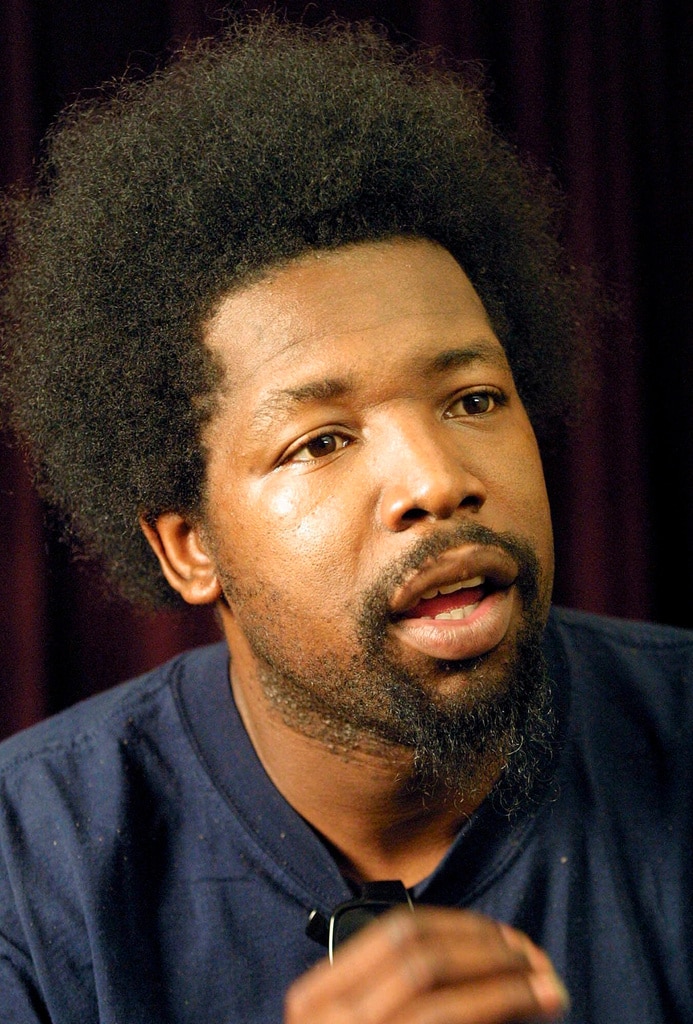
Afroman Triumphs in Landmark Free Speech Lawsuit Against Ohio Deputies
In a verdict sending ripples through legal and artistic communities nationwide, rapper Afroman, whose real name is Joseph Foreman, has definitively won his high-profile lawsuit against several Adams County, Ohio sheriff's deputies. This monumental victory underscores a critical triumph for free speech, reaffirming the right of citizens and artists to comment on governmental actions, even when those actions are captured on private property.
The saga began with a contentious August 2022 raid on Afroman’s Winchester, Ohio home, which he subsequently transformed into viral satirical music and videos. What ensued was a dramatic courtroom battle that pitted artistic expression against claims of defamation and emotional distress, culminating in a resounding win for the "Because I Got High" hitmaker. This case has cemented its place as a significant touchstone in the ongoing discourse about police accountability, individual privacy, and the unyielding power of creative commentary in the digital age.
From Raid to Viral Rendition: The Genesis of a Legal Battle
The origins of this captivating legal drama trace back to an unannounced search of Afroman’s residence by members of the Adams County Sheriff’s Office. Deputies executed a warrant based on suspicions of narcotics and alleged kidnapping activity on the property. However, a crucial detail emerged that would become the cornerstone of Afroman’s defense and artistic output: the search yielded no criminal evidence, and no charges were ever filed against him.
In the aftermath, rather than retreating, Joseph Foreman leveraged a powerful tool at his disposal: his home security camera footage. He meticulously compiled clips from the raid, turning a distressing personal event into a series of viral, satirical creative projects. The most prominent of these was the track "Lemon Pound Cake," a song and accompanying music video that humorously, yet pointedly, mocked the officers and the failed operation. This track alone has garnered over 3 million views since its December 2022 release, drawing immense public attention to the incident.
Beyond "Lemon Pound Cake," Afroman continued his artistic critique with other posts and songs, such as "Will You Help Me Repair My Door," using sarcasm and wit to highlight the property damage and disruption he claimed the raid caused. His innovative use of personal surveillance footage to comment on a government action transformed a private ordeal into a public spectacle, igniting a national conversation about the boundaries of artistic freedom and police conduct.
The Deputies' Claims: Defamation, Distress, and Reputational Harm
The plaintiffs in this case included four deputies, two sergeants, and one detective from the Adams County Sheriff’s Office. Their lawsuit, filed in 2023, alleged that Afroman’s unauthorized use of their likenesses in his music videos, social media posts, and merchandise constituted defamation, invasion of privacy, humiliation, ridicule, emotional distress, and reputational harm. A significant point of contention for the officers was the reported wave of threats and harassment they received after the footage and related posts went viral online.
The trial itself was not without its dramatic moments. Reports from the courtroom highlighted the emotional toll the case had taken on the officers. One particularly striking instance involved Deputy Lisa Phillips, who reportedly broke down in tears during the proceedings as portions of Afroman’s satirical content were played. This emotional testimony underscored the deputies’ assertion that Afroman’s work had caused them "tremendous pain" and negatively impacted their personal and professional lives. The emotional distress claimed by Deputy Lisa Phillips and her colleagues became a central argument for the plaintiffs, illustrating the deeply personal stakes involved in this highly publicized legal battle.
This lawsuit tested the limits of how far public officials can challenge artistic satire, especially when they are filmed during their official duties. While public figures and officials often have a higher bar to meet for defamation claims, the deputies argued that Afroman’s specific portrayal went beyond fair comment, impacting their individual reputations and safety. This created a complex legal landscape where the individual rights of officers intersected with the public's right to critique government actions and the artist's right to free expression.
Afroman's Defense: A Bastion of First Amendment Rights
Taking the stand during the trial, Afroman, Joseph Foreman, directly attributed the legal battle to the sheriff’s office, emphasizing that the raid itself was the catalyst. He argued that the property damage and disruption to his life were real events that transpired within his home, making them legitimate subject matter for his music. His legal team vehemently asserted that using footage from his own cameras to comment on a government action is a quintessential exercise of protected expression under the First Amendment of the U.S. Constitution.
This defense positioned the case as a crucial test of free speech rights, particularly for artists and citizens engaging with issues of police accountability. The First Amendment protects not only direct criticism but also satire, parody, and humor, especially when directed at government officials or public actions. Afroman’s argument resonated with the principle that citizens have a right to document and comment on official conduct, a right that becomes even more salient in an era of widespread personal surveillance and social media dissemination. The core of his defense was that his music was not merely an attack, but a creative response to a personal experience of perceived injustice, transformed into art.
This case serves as a vital reminder for citizens and artists alike: knowing your rights when interacting with law enforcement is paramount. While filming in public spaces is generally permissible, filming inside one's private residence, especially during an official search, offers unique protections for personal documentation. For artists, Afroman's win demonstrates the robust nature of satire as a protected form of expression, even when it directly references and critiques public officials and their actions. It reinforces the notion that art can be a powerful vehicle for social commentary and demanding accountability.
The Verdict and its Far-Reaching Implications
The ultimate verdict in favor of Afroman represents a significant victory for free speech and police accountability advocates. It sends a strong message that while public officials are entitled to protection from malicious falsehoods, their actions performed in public duty, or even on private property under warrant, are subject to public scrutiny and artistic commentary.
This outcome could set an important precedent, influencing how similar cases involving public officials, viral content, and artistic expression are handled in the future. It underscores the challenges public officials face in claiming defamation or emotional distress when their actions are caught on camera and subsequently used in creative works that are protected under the umbrella of satire and First Amendment rights. The judgment reinforces the delicate balance between individual privacy and the public's right to information and critique, particularly concerning the exercise of state power.
The Lemon Pound Cake case delves into the intricate intersection of satire, personal privacy, and the expansive reach of police power. Afroman's victory strengthens the legal framework that safeguards artistic freedom, encouraging artists to use their platforms to reflect on societal issues without undue fear of legal repercussions from those in authority. This verdict serves as a powerful affirmation of the principle that in a democratic society, robust criticism—even through humor and satire—is not only tolerated but essential for transparency and accountability.
Conclusion
Afroman’s victory in his lawsuit against the Ohio deputies is more than just a win for a musician; it’s a landmark decision for free speech and artistic expression in the digital age. It affirms the right of individuals to use their own experiences and documentation to comment on government actions, even when those comments are critical and satirical. This case, prominently featuring the emotional testimony from individuals such as Deputy Lisa Phillips, highlighted the intense personal stakes for all parties involved, yet the court ultimately upheld the constitutional protections afforded to creative commentary.
As our society increasingly relies on personal cameras and social media for information dissemination, the Afroman verdict sets a crucial precedent. It reminds us of the enduring power of art to provoke thought, demand accountability, and ensure that the actions of those in power do not go unquestioned. This outcome ensures that the spirit of free inquiry and artistic critique remains vibrant, serving as a vital check on authority in an ever-evolving media landscape.